R-AIMS
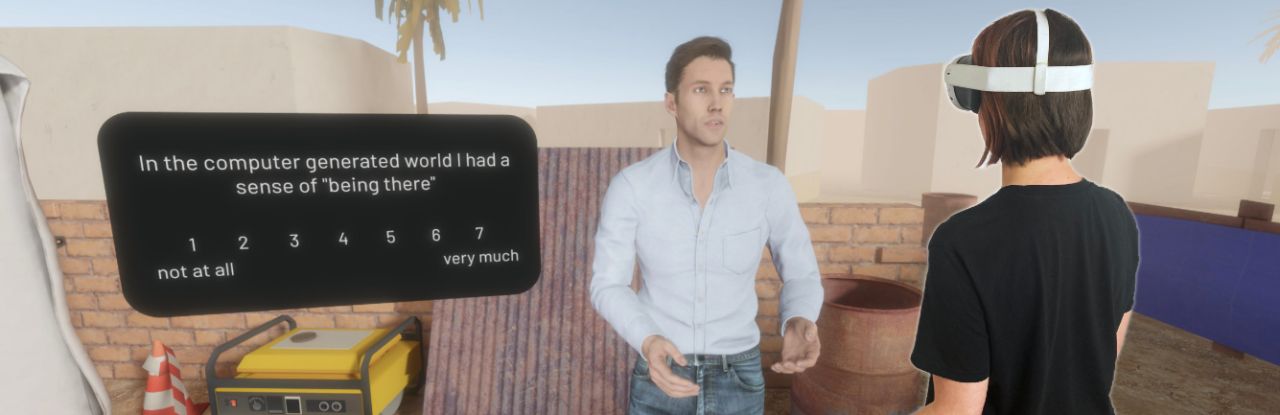
R-AIMS explores the use of responsible AI in health and energy. We develop intelligent virtual agents who support the user in their tasks and evaluate user trust.
Learn more




HAW Hamburg · XXX
Exploring multimodal interaction and multisensory perception
in spatial environments.

 Who we are
The XR interaction research group explores multimodal interaction and multisensory perception in spatial environments. The expertise in the XRi group is at the intersection of human-computer interaction, game development and media programming. Our mission is to investigate methods for creating highly immersive and interactive experiences.
The XRi group uses the Digital Realities Lab and is part of the Competence Center Smart Systems in Society.










 What we do
R-AIMS explores the use of responsible AI in health and energy. We develop intelligent virtual agents who support the user in their tasks and evaluate user trust.
Learn more
The XRwise Knowledge Network is building a learning platform that makes sharing knowledge more sustainable, eases access to knowledge, and helps make teaching at universities more intuitive.
Learn more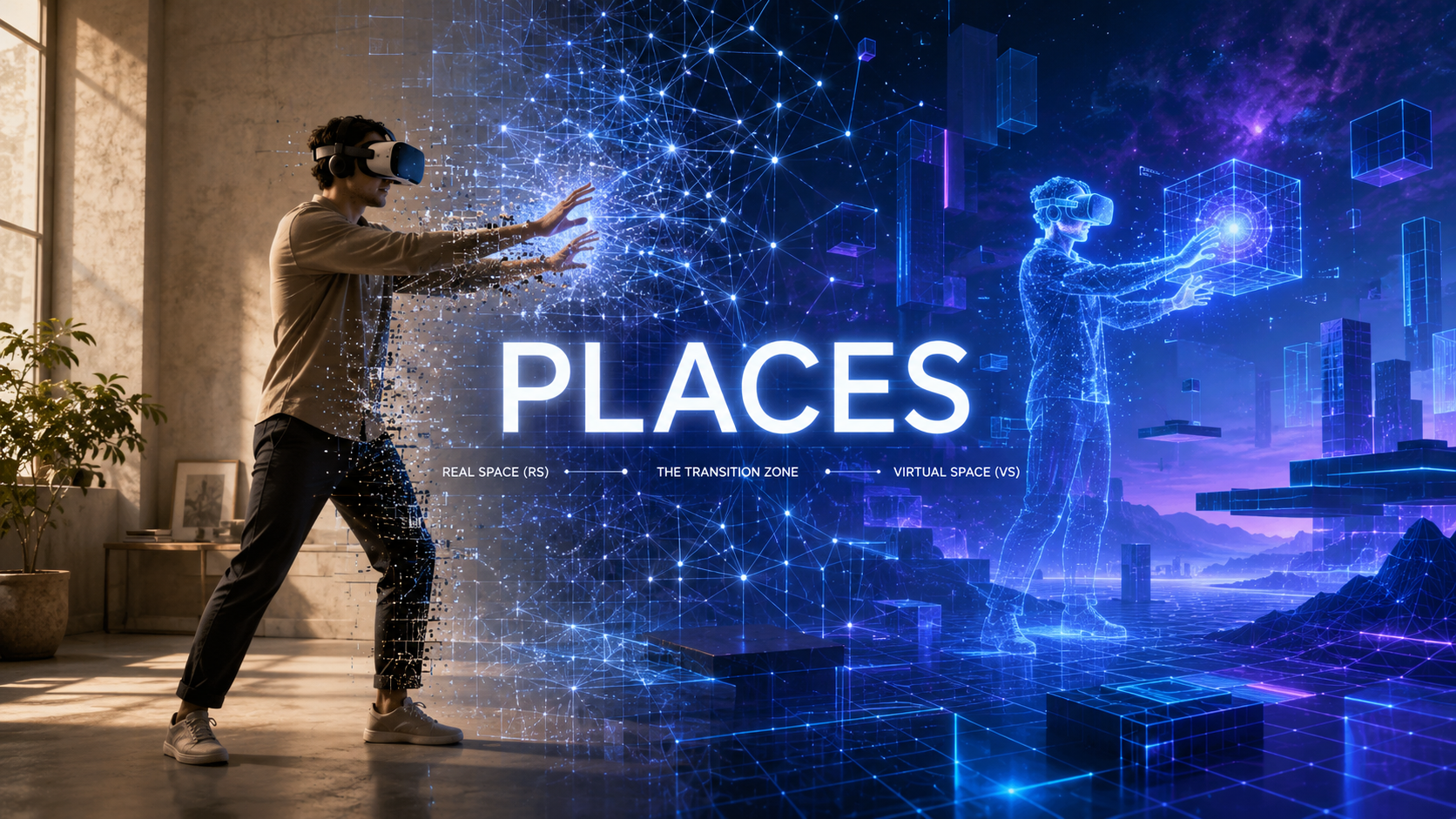
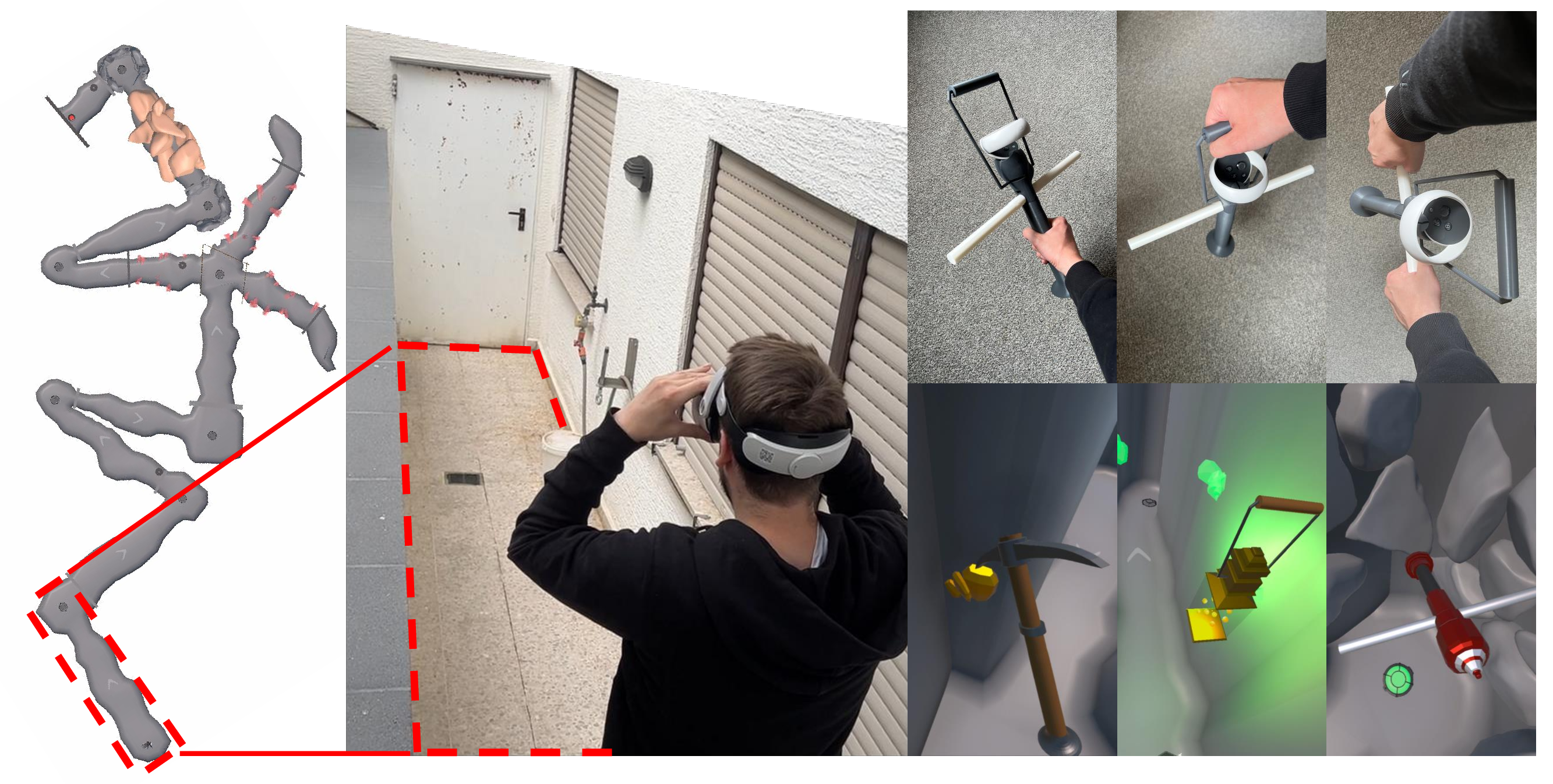
The PLACES project investigates how the brain constructs and adapts perceptual space through sensorimotor interactions in real and virtual environments, advancing perception science and developing human-centric XR technologies.
Learn more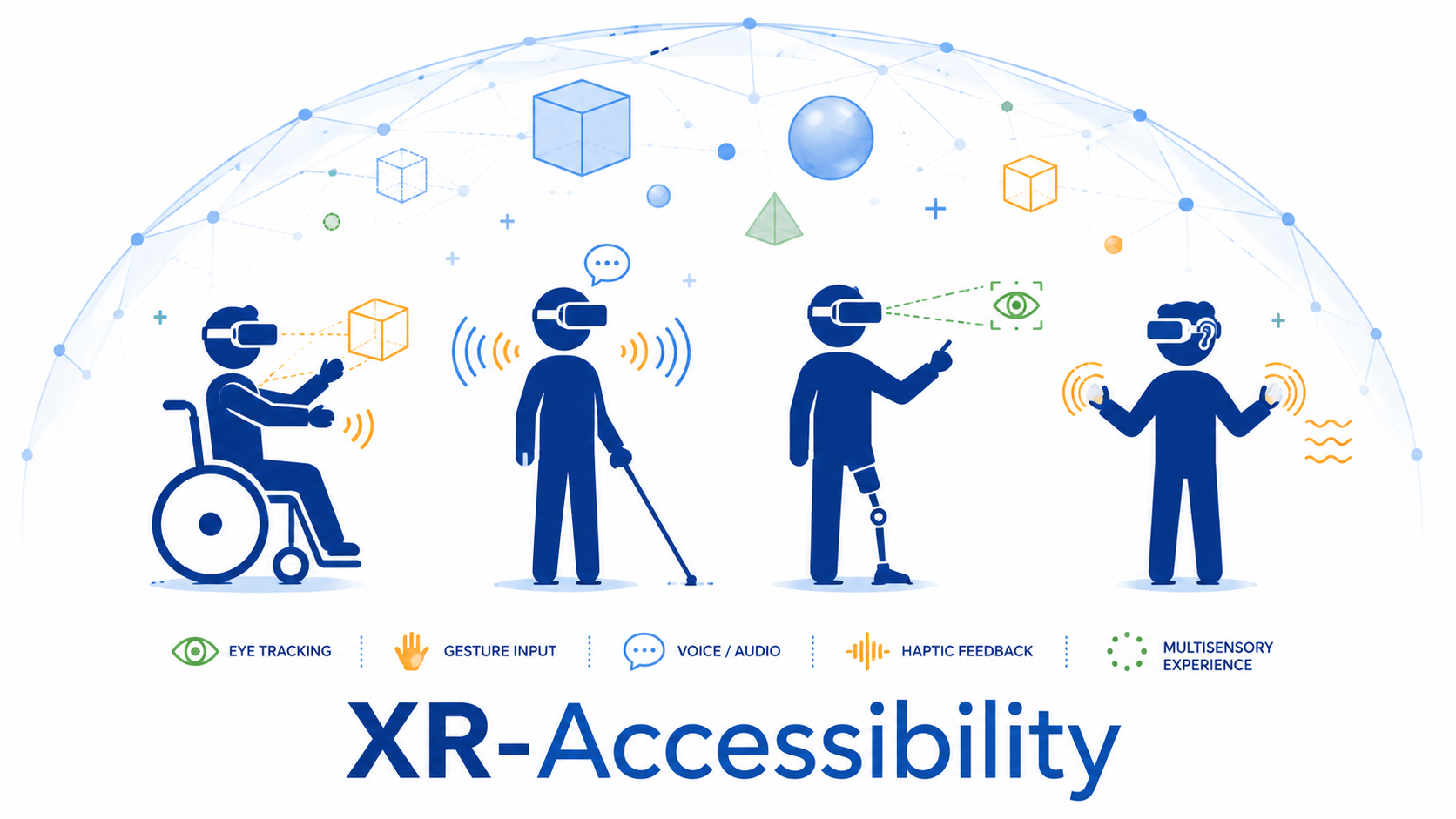
The XR-Accessibility project identifies barriers to accessibility in XR technologies and addresses them through inclusive prototypes, establishing an evidence-based foundation for accessible VR, AR, and MR systems for people with disabilities.
Learn more
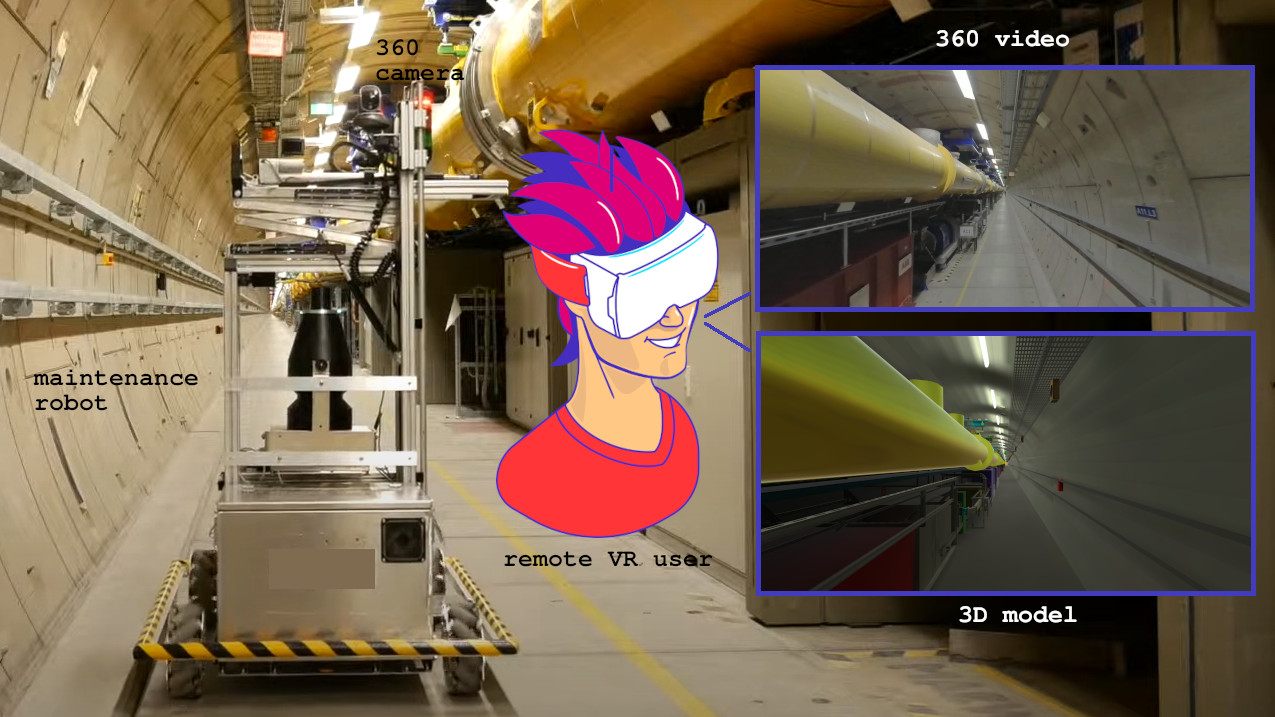
In ReWaX, we integrate redirected walking algorithms into a robotic platform and evaluate this setup in a maintenance task at DESY's accelerator tunnels.
Learn more The team
Our work
The team
Our work
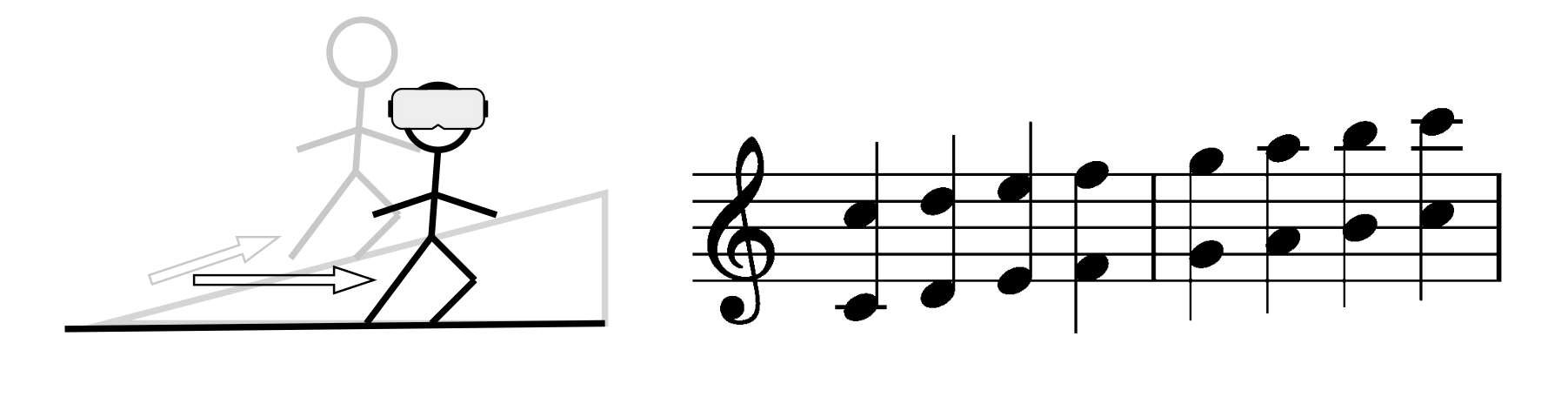
Shepard Steps: Exploiting an Auditory Illusion for Footstep Sounds in Uneven Virtual Reality Walking
DOI: 10.1109/TVCG.2026.3680676 ↗Conducting Questionnaire Interviews in Virtual Reality Using an Intelligent Virtual Agent
DOI: 10.1109/vrw70859.2026.00108 ↗Investigating Resolution Strategies for Workspace-Occlusion in Augmented Virtuality
DOI: 10.1145/3756884.3765983 ↗Enhancing Player Experience Through Engaging Resets: Evaluating a Multi-Use Haptic Interface in Redirected Walking Applications
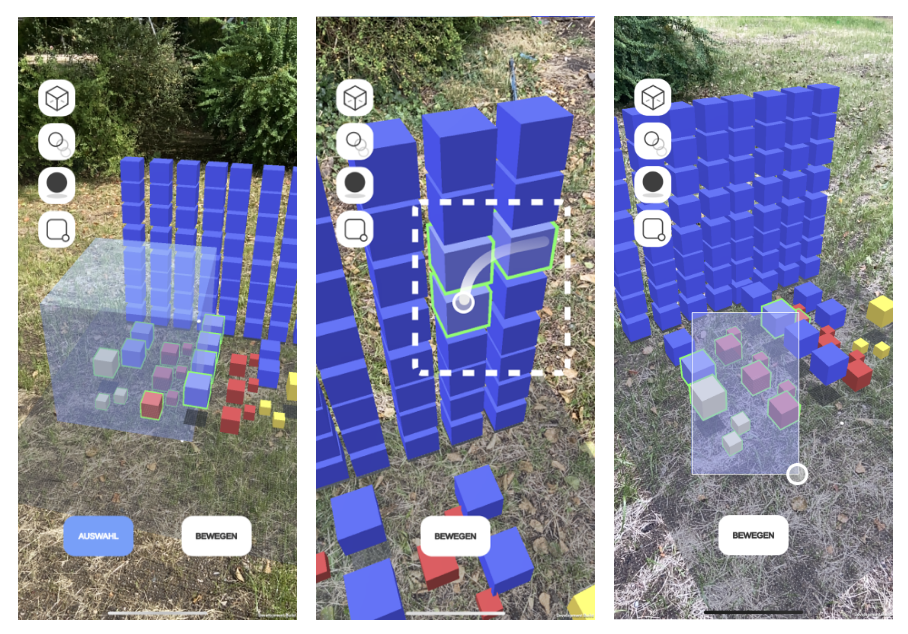
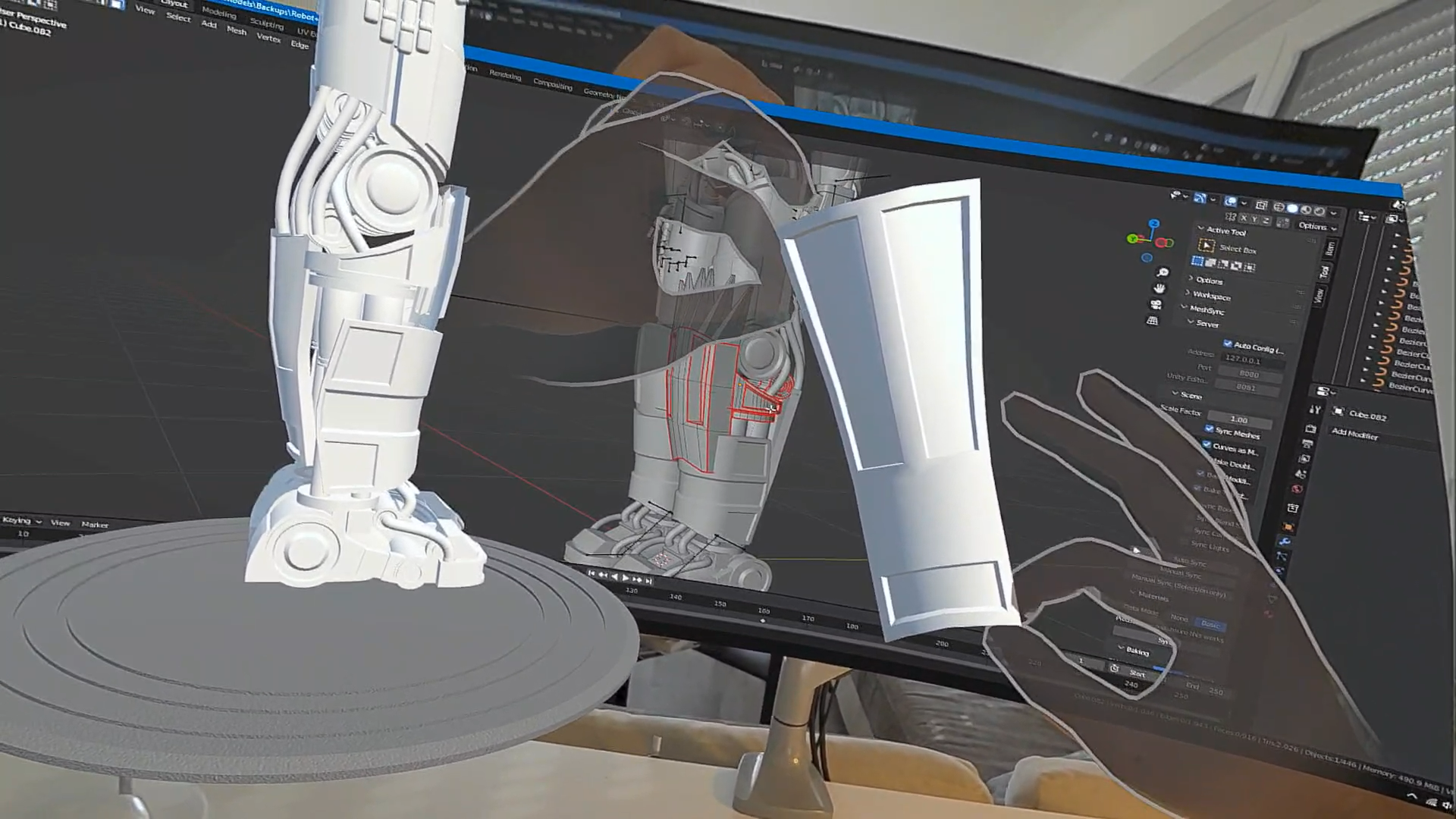
DOI: 10.1109/CW68232.2025.00030 ↗Combining Mixed Reality and 2D Displays for 3D Design: An Exploratory Study to Enhance User Needs
DOI: 10.1145/3743049.3743066 ↗Challenges in the Production of a Mixed Reality Theater Dance Performance
DOI: 10.1109/vrw62533.2024.00169 ↗Redirected Walks Through Hazardous Environments: Detection Thresholds of Curvature Gains in 360 Video and 3D Telepresence Setups
DOI: 10.1109/vrw62533.2024.00074 ↗Evaluation von Gesten- und Controller-Interaktionen im virtuellen Raum
DOI: 10.18420/VRAR2024_0011 ↗Vergleich von Neural Radiance Fields und Photogrammetrie für 3D-Asset Creation
DOI: 10.18420/VRAR2024_0013 ↗A Study on Multi-User Interaction-based Redirected Walking
DOI: 10.1145/3607822.3614531 ↗MEDUSA — A View-Tracking Pong Game
DOI: 10.1145/3544549.3583825 ↗Effects of Connecting Corridors on Detection of Self-Overlapping Spaces in Virtual Reality
DOI: 10.18420/VRAR2023_3382 ↗Design of Mentally and Physically Demanding Tasks as Distractors of Rotation Gains
DOI: 10.1109/vrw55335.2022.00161 ↗Minimaps for Impossible Spaces: Improving Spatial Cognition in Self-Overlapping Virtual Rooms
DOI: 10.1109/vrw55335.2022.00162 ↗Erzeugung von Schatten in Virtual Production Umgebungen
DOI: 10.18420/VRAR2022_2870 ↗A Seamless Natural Locomotion Concept for VR Adventure Game "The Amusement"
DOI: 10.1109/vrw52623.2021.00269 ↗Combining Natural Techniques to Achieve Seamless Locomotion in Consumer VR Spaces
DOI: 10.1109/vrw52623.2021.00079 ↗Where Are You? Influence of Redirected Walking on Audio-Visual Position Estimation of Co-Located Users
DOI: 10.1109/vrw52623.2021.00157 ↗Frozen Factory: A Playful Virtual Experience for Multiple Co-Located Redirected Walking Users
DOI: 10.1145/3415256.3421489 ↗Detection Thresholds for Vertical Gains in VR and Drone-based Telepresence Systems
DOI: 10.1109/vr46266.2020.00028 ↗The Influence of Full-Body Representation on Translation and Curvature Gain
DOI: 10.1109/vrw50115.2020.00032 ↗Stimulating the Brain in VR: Effects of Transcranial Direct-Current Stimulation on Redirected Walking
DOI: 10.1145/3343036.3343125 ↗Of Portals and Orbs
DOI: 10.1145/3340764.3340779 ↗Turn Your Head Half Round
DOI: 10.1145/3340764.3340778 ↗Space Walk
DOI: 10.1145/3305367.3327976 ↗Macht Teleportieren faul? Strategien zur Steigerung der natürlichen Fortbewegung in VR
DOI: 10.18420/MUC2019-WS-602 ↗Workshop on Virtual and Augmented Reality in Everyday Context (VARECo)
DOI: 10.18420/MUC2019-WS-120 ↗Rethinking Redirected Walking: On the Use of Curvature Gains Beyond Perceptual Limitations and Revisiting Bending Gains
DOI: 10.1109/ismar.2018.00041 ↗In the Blink of an Eye
DOI: 10.1145/3197517.3201335 ↗Evaluation of Locomotion Techniques for Room-Scale VR
DOI: 10.1145/3234253.3234291 ↗Detection Thresholds for Rotation and Translation Gains in 360° Video-Based Telepresence Systems
DOI: 10.1109/tvcg.2018.2793679 ↗I Can See on My Feet While Walking: Sensitivity to Translation Gains with Visible Feet
DOI: 10.1109/vr.2018.8446216 ↗Redirected Spaces: Going Beyond Borders
DOI: 10.1109/vr.2018.8446167 ↗Scale & Walk: Evaluation von skalierungsbasierten Interaktionstechniken zur natürlichen Fortbewegung in VR
DOI: 10.18420/MUC2018-MCI-0219 ↗